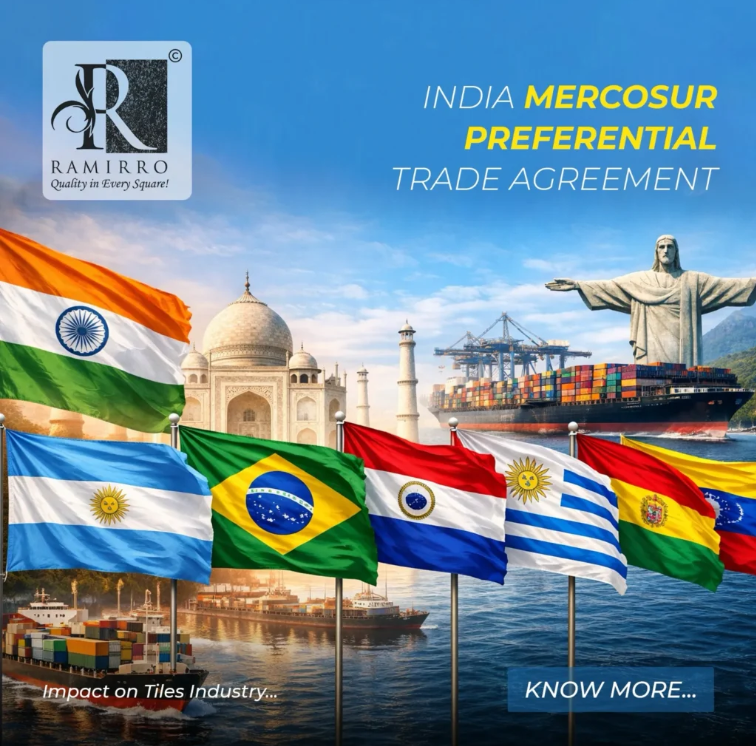
Trade agreements often sound complex, but their impact is very real; they shape how easily goods move across borders, influence pricing, and determine which markets businesses can access. The India–MERCOSUR Preferential Trade Agreement is one such arrangement that affects trade between India and major South American economies. Unlike a full free trade agreement, it works through targeted tariff reductions on selected products, offering cost advantages to eligible exporters. This article explains the agreement in simple terms, covering how it works, which countries are involved, and how it shapes market access in practice.
Why This Trade Pact Still Matters in 2026
Although the India–MERCOSUR Preferential Trade Agreement is not new, it remains relevant in 2026 because it continues to shape how India trades with South American markets. By offering lower customs duties on selected products, the agreement helps Indian exporters stay competitive without being a full free trade deal. It also supports India’s strategy to diversify exports beyond traditional markets.
For global manufacturers, including ceramics and tiles, such preferential access can influence pricing and market entry decisions. Clearer trade terms and reduced duties make this agreement a practical business tool rather than just a policy framework.
What Is MERCOSUR?
MERCOSUR is a South American trade bloc formed to promote economic cooperation and easier trade among its member countries: Brazil, Argentina, Paraguay, and Uruguay. Together, these economies represent a large and diverse regional market with strong demand across industry, infrastructure, and consumer goods.
India chose to partner with MERCOSUR to engage with the region as a single market rather than separate countries. This approach supports India’s goal of expanding trade ties with Latin America and creating new export opportunities beyond its traditional trading partners.
Related Post
- Journey of Kilns: Six Ancient Kilns to Industrial Ceramic Firing
- Types of Ceramic Glazes and the Finishing Effects They Bring to Tiles and Ceramics
- Cheap Tiles vs Expensive Tiles: A Clear, Practical Look at Pricing, Quality, and Value in Ceramic & Porcelain Tiles
- Certificate of Origin for Tile Export and Import: Why It Matters in Global Trade
- India–EFTA Trade and Economic Partnership Agreement: What the New Trade Deal Means for the Tiles Industry
- UK-India CETA Trade Deal Explained: A Complete Guide to Trade in Goods and Tile Imports in the United Kingdom
- ASEAN Ceramics and Tile Market in Southeast Asia: Understanding Ceramic Industry Trends and Selecting a Reliable Tile Supplier in Malaysia
- Preferential Trade Agreement Explained: How India MERCOSUR Trade Agreements Shape Market Access
- Best Tiles in South Korea Under Free Trade Agreements: Porcelain Wall and Floor Tile Trends
- Best Tiles in Singapore from a Leading Tile Supplier — How Free Trade Agreements Improve Tile Value
- India Oman Free Trade Agreement: What It Means for Ceramic and Porcelain Tile Export and Import
- Imported Tiles in New Zealand: How the India Free Trade Agreement Creates Price Benefits and Cost Advantages for Tile Importers
- Salone del Mobile 2026 in Milan: Complete Guide to Salone del
- INDEX Exhibition Dubai 2026: Interior Trends & Highlights in UAE
- March 2026 Tiles Exhibition: Guide to Global Tile & Ceramic Fairs
- Tile Shade Accuracy: Munsell Color System for Color Consistency
- Tile Trends 2026: Porcelain Designs for Bathrooms & Kitchens
- Japandi Style Tiles: Peaceful Interiors with Functional Spaces
- Island Flooring Design Inspiration: Best Tile Ideas for Home Floors
- Alfresco Area Design Ideas: Right Tiles for Stylish Outdoor Living
- Best Tiles in New Zealand: Floor & Wall Tiles Under Free Trade
- Coastal Architecture Tiles Across the World’s Coastal Climates
- Best Tiles for Australian Climate: Heat Resistant and Slip Resistant
- Australian Tile Standards for Porcelain and Ceramic Tile Installation
- Live Tile Price Calculator: Check Latest Prices for 200+ Tile Variants
- Urban Design Inspired Tiles: Better Surfaces for Better Cities That Are Durable, Stylish and Sustainable
- 대한민국 서울에서 사용되는 타일 종류: 벽면 및 바닥용 도자기 타일과 세라믹 타일에 대한 설명
- 대한민국 부산 최고의 타일 | 믿을 수 있는 최고급 타일 제조업체 및 공급업체
- Cloud Dancer: Pantone 2026 Color of the Year Inspiring Tile Collections
- Ramirro Square Rating: Get Your Flooring Project Expert Rated for Performance & Safety
- How Tiles Transform Building Architecture and Define Architectural Style in Modern Design
- Build a Chef Grade, Inspector Ready Kitchen Design with Ramirro Ceramica Tiles
- Types of Architectural Style: A Complete Guide to Architecture and the Best Tiles for Each Architectural Style
- Tactile Tiles for Safety & Accessibility | Advanced Tactile Surface Flooring Solutions
- Landscape Architecture with Tiles: How a Landscape Architect Uses Tile Design to Shape Outdoor Spaces